
Bio Screen CEE
Reducing unsustainable utilisation of forestry biomass in Central and Eastern Europe.
Energy Policy Energy Transition and Climate-Neutral Buildings Forests

Project info
Bulgaria, Hungary, Romania
09/20 - 08/22
National governments, Local governments, EU institutions, Civil society, General public
639,367.52 €
Contact info
Ina Karova
- REKK Foundation for Regional Policy Co-operation in Energy and Infrastructure (REKK Foundation)
- WWF Danube Carpathian Programme Romania
- WWF Danube-Carpathian Program Bulgaria
- WWF World Wide Fund for Nature Hungary Foundation
Background
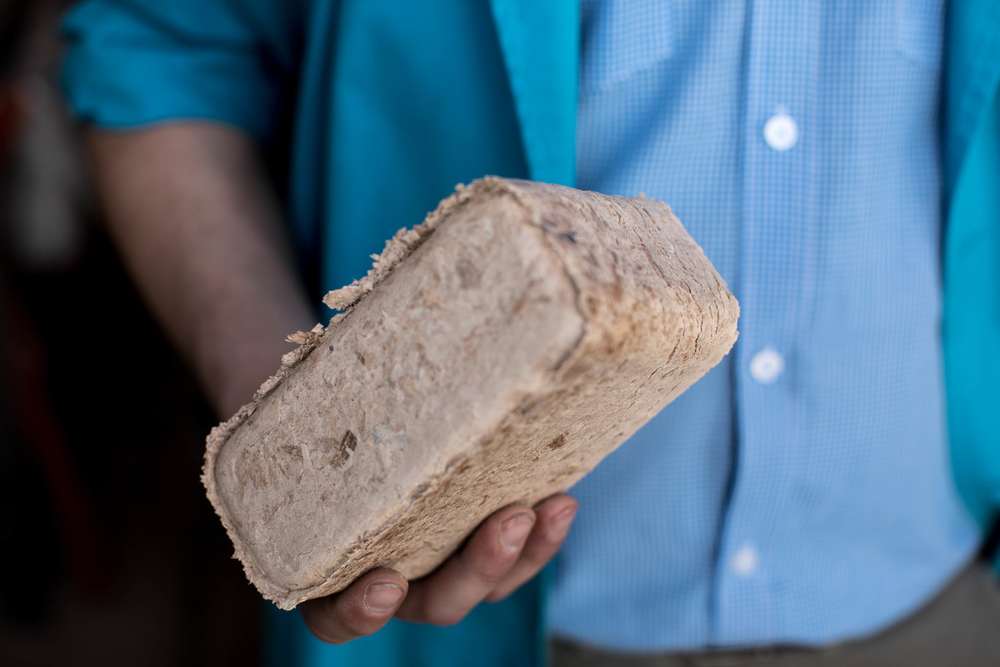
As a result of coal phase-out, many residents in the Central and Eastern Europe region turn to raw firewood as heating material. This causes an expansion of commercial-scale biomass use. Due to a lack of biomass sustainability criteria in the national and local policies, ineffective biomass utilisation has serious implications for the region’s climate, forests, and local communities.
Project
In order to prevent an increase in forestry biomass usage, Bio Screen CEE advances policy implementation in the energy sector in Bulgaria, Hungary, and Romania. To this end, the project evaluates energy use plans and their deficiencies. On the basis of the obtained data, stakeholders recommend appropriate alternatives to forest biomass to firewood-dependent municipalities and advocate these alternatives to national policy makers. Furthermore, the project introduces biomass sustainability criteria which go beyond those in the European Renewable Energy Directive II (REDII). Through such adaptation and subsequent implementation of REDII, complemented by national energy and climate plans, the project contributes significantly to achieving EU climate targets.
Last update: July 2024