
Children Stand Up!
This project is completed. Inspiring young people in Italy and Albania adopted sustainable lifestyles and to advocate for them in local politics.
Awareness Climate Policy Climate Strategies and Plans Education
Project info
Albania, Italy
11/20 - 12/22
-
623,004.82 €
Contact info
Claudia Longo
- Istituto Oikos Onlus
- Save the Children in Albania
Background
Schools play an especially important role in bringing about societal change: they are hubs, where a new generation works on realising a more sustainable and inclusive society. Furthermore, schools are multipliers in that the values they promote reach beyond the students themselves, into their families, and thus into society at large.
Project
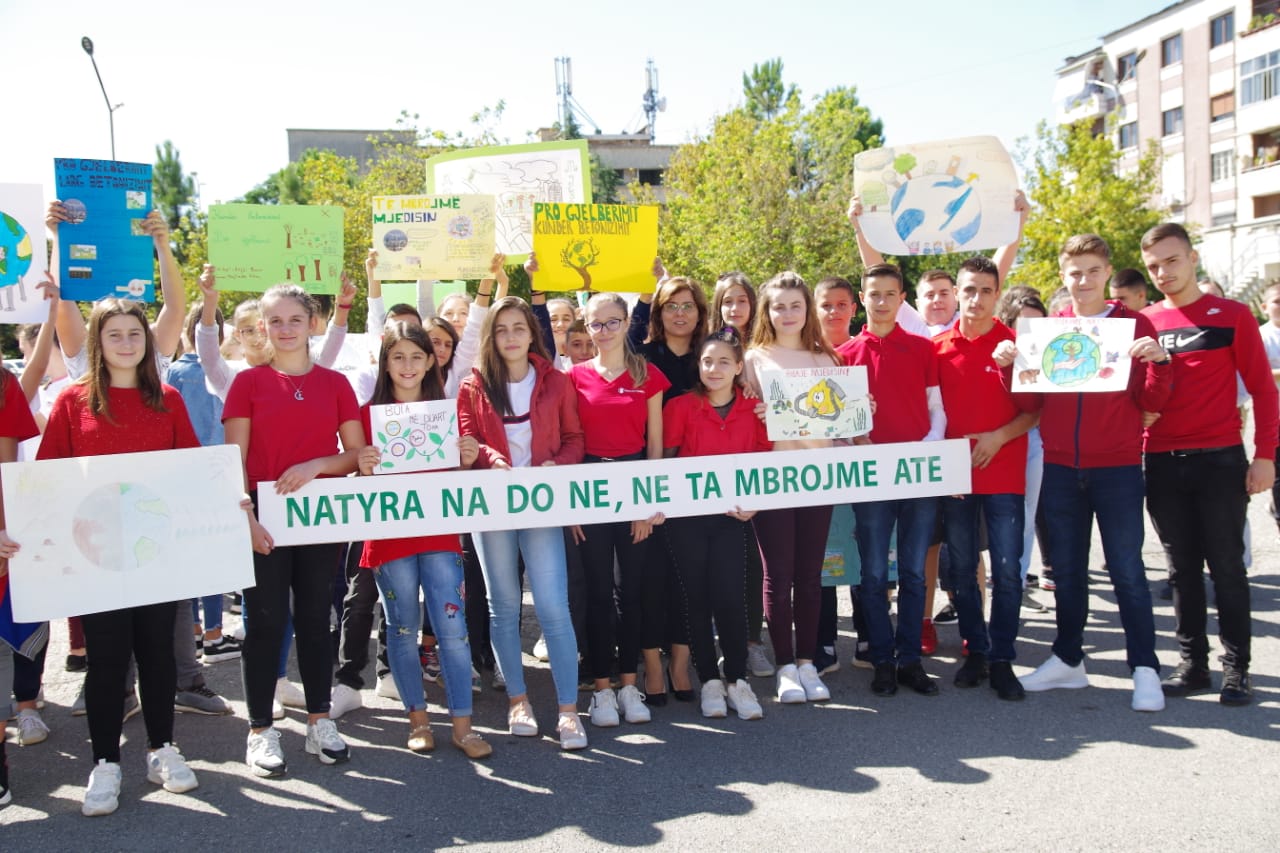
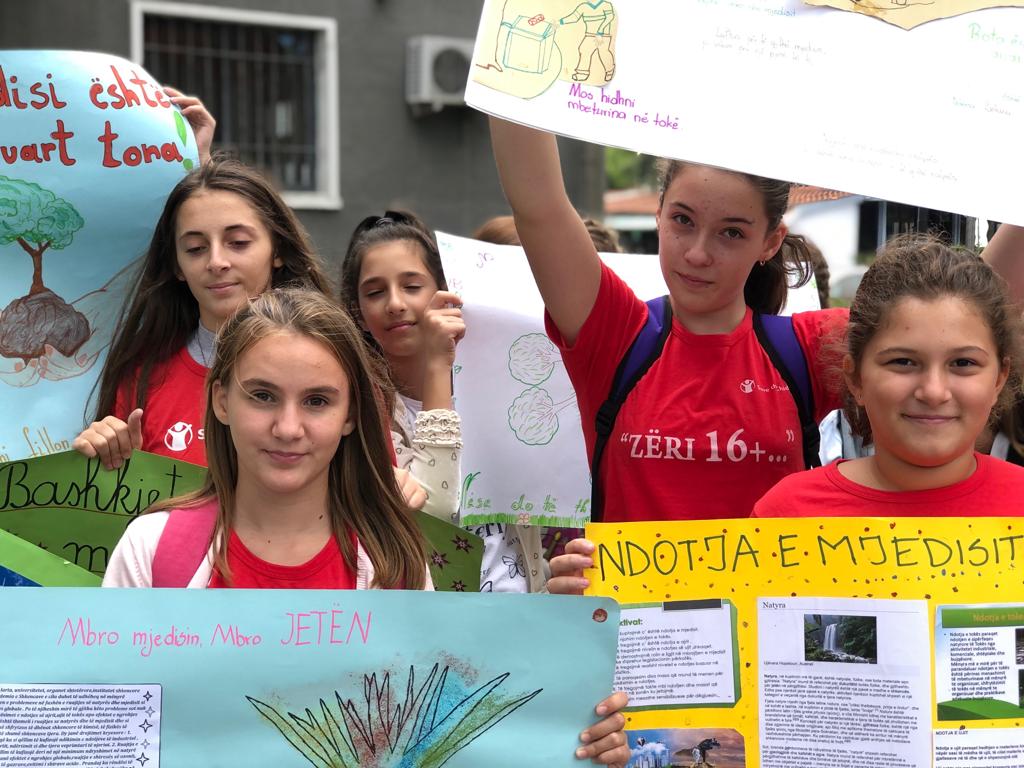
The project made use of this dynamic: It built networks to connect youth groups and schools and provided knowledge on climate change mitigation to children, youth and their teachers and promoted good practices among them. In addition, the project developed ideas for climate action in schools as well as supported and monitored their implementation. Furthermore, it used reports and videos to present and promote best practices through its media and social media channels. Thus, schools all over Europe were able to adapt and realise them.
Another core concern was to promote the power of advocacy. Therefore, Children Stand Up! provided both schools and municipalities with capacities and methods that enabled the increased participation of children in decision making. Permanent environmental committees ensured the sustainability of the project.
Results
- 100 teachers – five teachers per each project school have been trained to use the multimedia educational kit. This was followed up by the training of 4000 students on issues related to the climate change as per module content from 6th grade to 9th grade in 20 targeted project schools in Albania.
- 700 trees by 20 primary schools Albania got planted through the project, thus awareness of the importance of planting trees to clean the pollution of air was raised.
- “Children stand UP” created Climate Change Committees in four project locations and developed four roadmaps to address climate change issues and concrete actions to prevent the effect that climate change has on children’s health and welfare.
Last update: July 2024