
DUET – Driving Urban Energy Together
Improving energy management in Polish cities based on the newest tools, solutions, and knowledge to achieve local climate goals.
Digitalisation Energy Efficiency Energy Transition and Climate-Neutral Buildings
Project info
Poland
02/23 - 03/25
Local governments, Private sector, Public sector
256,412.55 €
Contact info
Hanna Lewandowska
- PNEC - Association of Municipalities Polish Network "Energie Cités"
Background
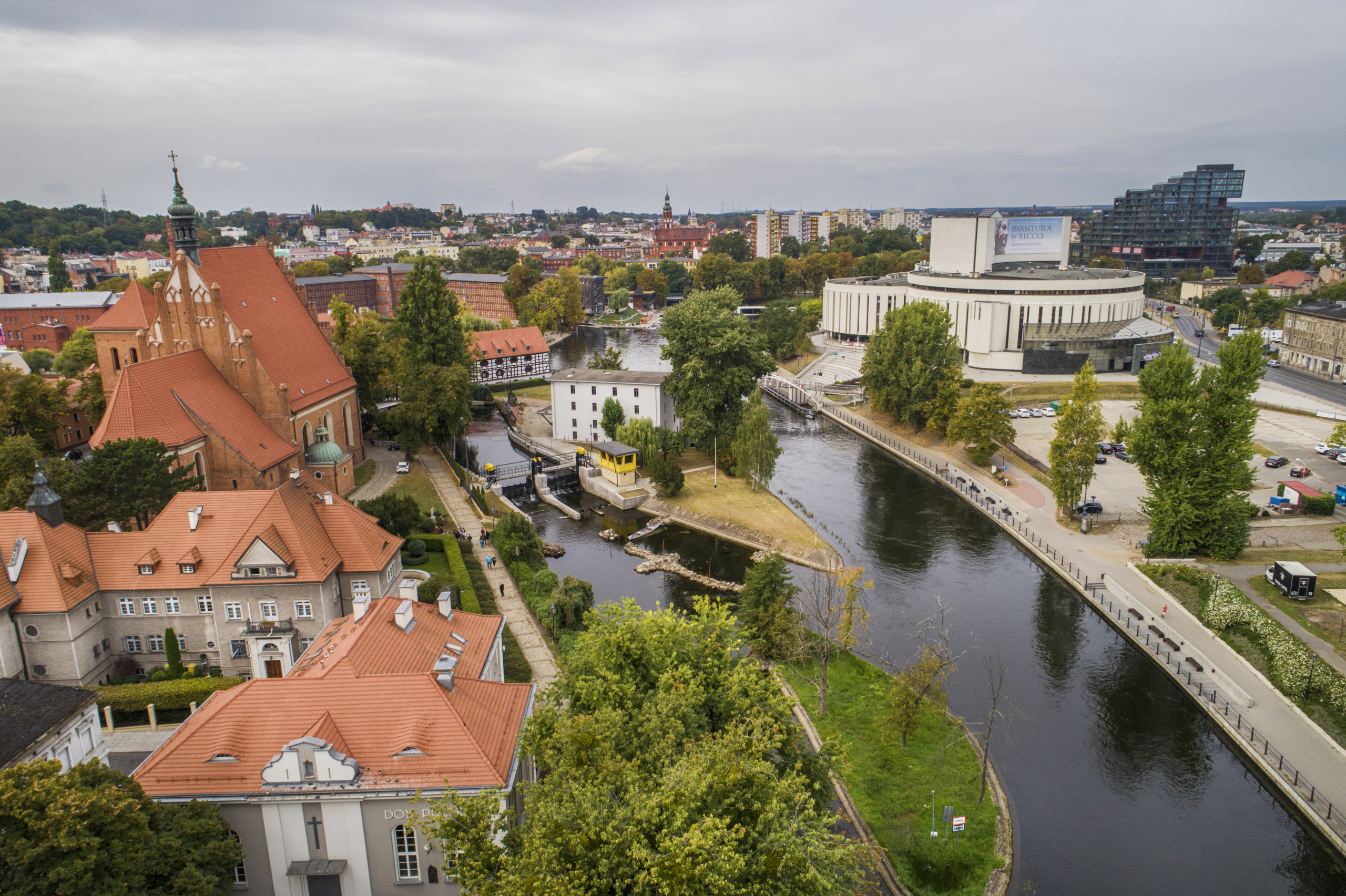
Reducing energy consumption, improving the energy performance of buildings as well as energy management and governance are the priorities of both the European Union (EU) and the Polish climate and energy policy. Among these topics, especially ensuring sustainable energy management is a key challenge faced by cities today as it has significant environmental, economic, and social impacts on their inhabitants. In September 2021, the Polish city of Bydgoszcz adopted a Sustainable Energy and Climate Action Plan to reduce 40 per cent of CO2 emissions by 2030. Bydgoszcz already discovered that it manages more than 7,270 buildings, which have significant potential to reduce greenhouse gas emissions, energy consumption, and energy cost. Still, the city needs to improve its energy management tools which affect the direction of local energy policies and could encourage other municipalities to follow.
Project
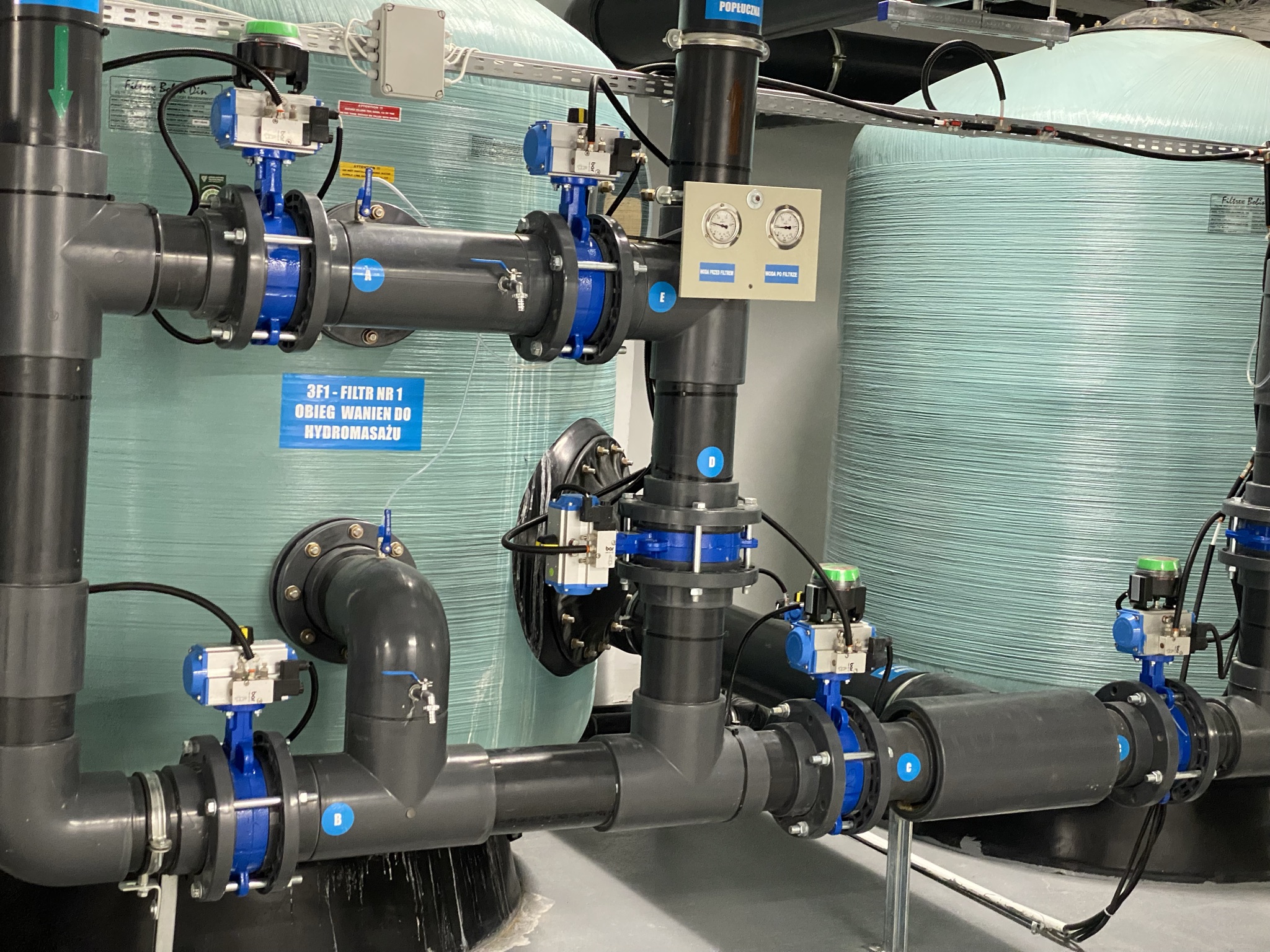
DUET supports Bydgoszcz’s goal of improving its energy management in various ways. It organises trainings for local authorities on energy management processes and tools based on German exemplary cities’ experiences. In a further stage, the cities’ employees will support other municipalities in establishing an information base for their buildings which has the potential of reducing greenhouse gas emissions, energy consumption, and energy cost. The second pillar of the project constitutes the developing, testing, and disseminating of relevant tools supported by information and communication technology (ICT). In this regard, ICT refers to a diverse set of technological tools and resources used to store, create, or exchange information. The project expands Bydgoszcz’s system for energy data collection, including data on renewable energy production and distributed energy resources. Furthermore, it aspires to foster a permanent exchange of multidisciplinary experiences between local government units and energy experts. Through these measures, the project supports especially smaller municipalities that have limited data platforms, no climate policies, and limited budget and staff.
Last update: July 2024