
Municipalities for Energy Efficiency
This project is completed. The project strengthened municipal capacity in energy efficiency in three municipalities in Latvia, Poland and Germany and raised awareness of the issue in the regions.
Energy Efficiency Energy Policy Energy Transition and Climate-Neutral Buildings Municipalities Renewable Energy
Project info
Germany, Latvia, Poland
11/20 - 12/22
General public, Private sector, Local governments
282,499.80 €
Contact info
Ligita Pudža
- Community Gostyn
- Public administration of Bordesholm
Background
In the Baltic Sea Region (BSR), municipalities differ significantly regarding energy efficiency and the share of renewable energy. In some municipalities, like Bordesholm in Germany, electricity from renewable sources accounts for 80 percent of the energy mix. Municipalities located on the Polish and Latvian coastline are still at the starting point of both making best use of renewable energy sources and developing municipal energy efficiency capacity.
Project
The project enabled the exchange of knowledge and transfer of competences between the participating municipalities in order to increase energy efficiency and raise awareness on this issue. The project enabled the exchange of knowledge and transfer of competences between the participating municipalities in order to increase energy efficiency and raise awareness on this issue. To measure success, the project organised an energy saving competition between the participating institutions. In addition, the project made it clear to citizens that climate protection depends on their personal behaviour. Therefore, other key elements of the project included knowledge sharing through workshops and training sessions, as well as conferences to inform entrepreneurs, educational institutions and the general public on how to make their lifestyles more sustainable.
Although the 60,000 inhabitants of the partner municipalities are the direct beneficiaries of the project, the results of the project are made available to other municipalities on the websites of the participating municipalities.
Results
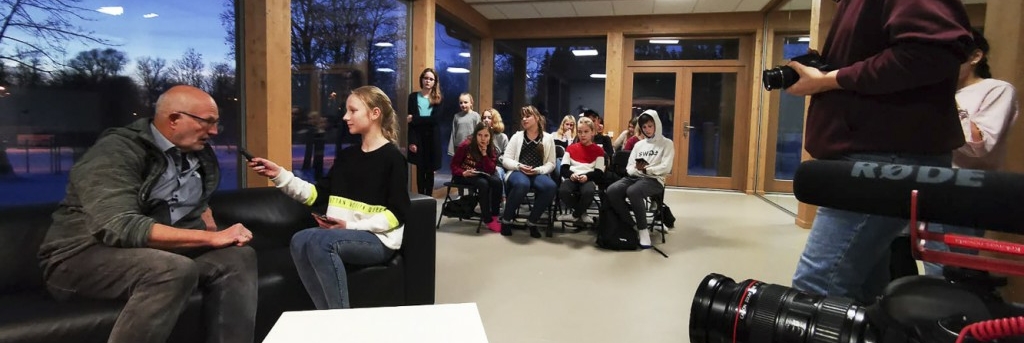
Through educational and awareness-raising activities (energy days in schools, energy weeks in the three municipalities), the project reached around 3800 mostly young people. The educational activities in all three partner communities were very diverse and included both informative lessons and practical activities (e.g. conducting experiments on alternative energy sources; art competitions, quizzes, planting trees (“oxygen factories”); conducting simple “energy audits” of public and private buildings, preparing recommendations for practical measures to reduce energy consumption). Investing in the youngest generation is an opportunity to reach out to their families as well, to achieve measurable results and to awaken their ecological awareness that will accompany them in their adult lives.
Last update: July 2024