
Skip to content

Just Transition Lab

Assisting coal regions in Poland and Germany in planning their transitions in a participatory manner, thereby creating a replicable model for other coal regions.

Climate Strategies and Plans Coal Phase-out Energy Transition Energy Transition and Climate-Neutral Buildings Just Transition
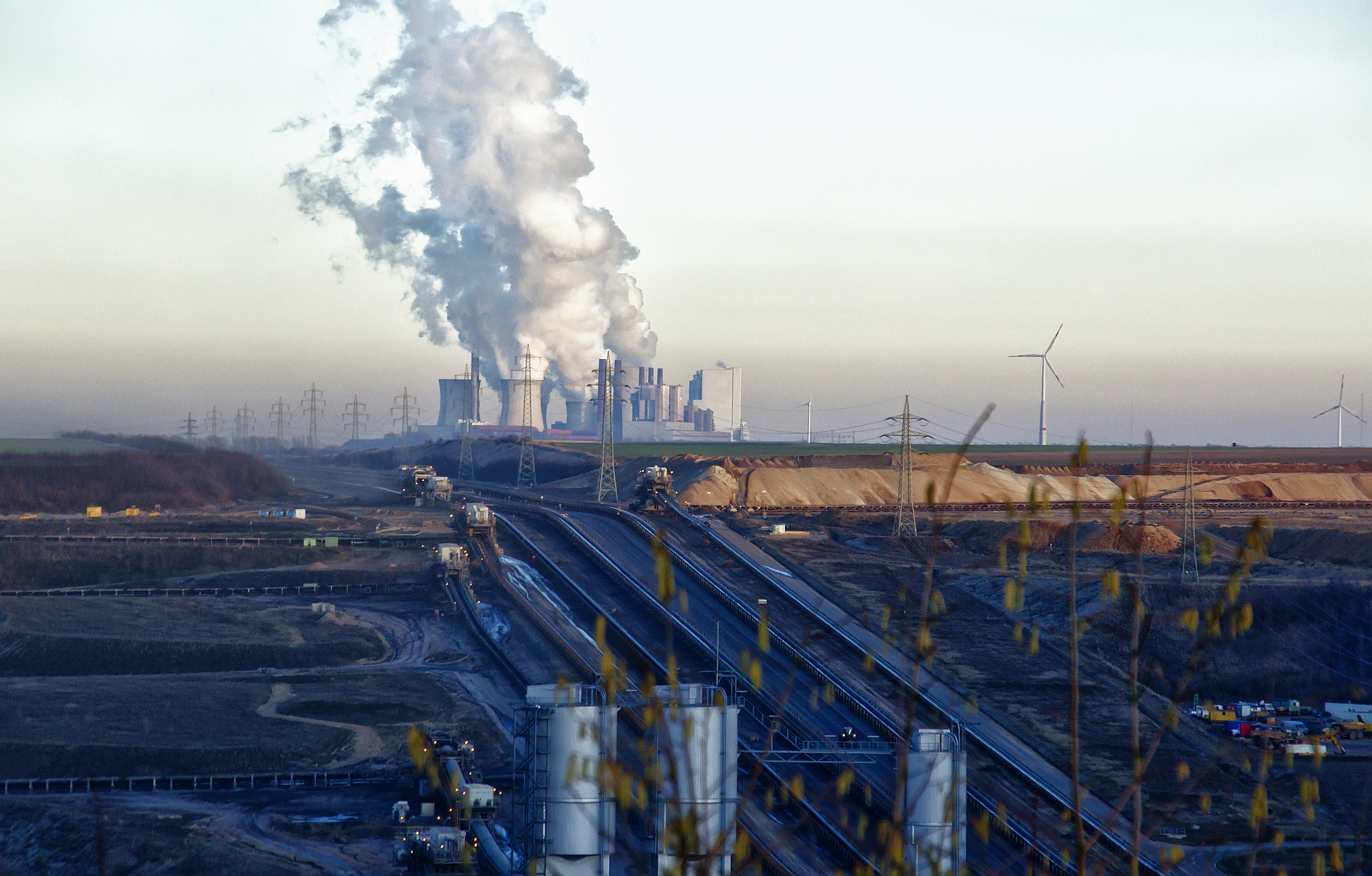
Beitragsbild

Project info

Countries:

Germany, Poland

Project duration:

10/20 - 10/22

Target groups:

Local governments, Regional governments, National governments, General public, Associations, Civil society

Funding:

361,051.30 €

Contact info

Contact:

Mateusz Kowalik

Implementing organisation
  • Alliance of Associations Polish Green Network
Partner:
  • Ecologic Institute gGmbH
  • Green Future Institute Foundation
  • Lusatian Perspectives

Background

European coal regions are in the process of creating their transition plans. For several reasons, many regions struggle to make this a participatory process: lack of up-to-date information, of knowledge on available solutions, and of experience in involving all stakeholders. Yet, there is time to fill this gap, as the drafting processes of territorial just transition plans are still ongoing. This offers a good opportunity to try and test new ways for more ambitious and more democratic transition planning.
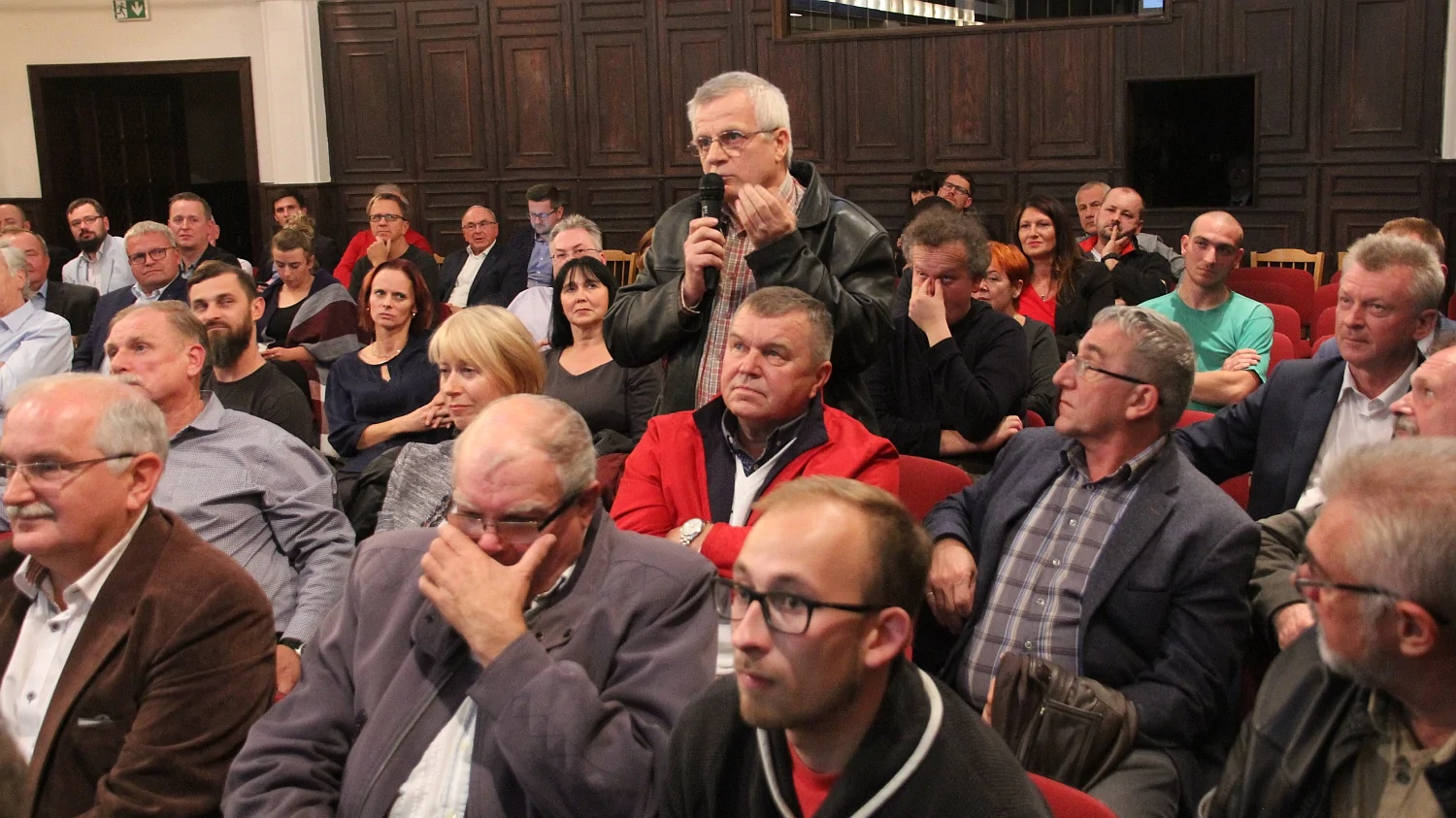
Discussing the Just Transition. Photo: (c) Polska Zielona Siec


Project

The project focuses its respective activities on two regions: Eastern Wielkopolska in Poland and Lausitz in Germany. It provides local communities with a forum for inclusive debate. The forum invites citizens to address the region’s specific problems, seek solutions, and formulate concrete project ideas. The project also offers access to policy updates, best practices, useful information, and opportunities for networking and exchange of ideas between Eastern Wielkopolska and Lausitz. Over the course of two years, the project organises a series of stakeholder meetings, workshops, and trainings addressing local governments, local businesses, miners, NGOs, and civil society representatives. Furthermore, the project organises two study visits to the respective partner country. The project communicates all relevant activities via its online channels and through media work. The project results are later presented at a final conference.

Results

  • Cross-border cooperation for sustainable energy projects: During two study trips to the mining regions of the partner country, representatives from local authorities, mining companies, chambers of commerce, NGOs and local stakeholder groups exchanged experiences on just transition, thereby strengthening cross-border cooperation for sustainable energy projects. 
  • Long-term securing of citizen participation and international cooperation: The project was recognised and institutionally supported by Brandenburg's state government, securing long-term funding for citizen participation and international cooperation from November 2022 onwards. 
  • Policy recommendations for a just transition: The report ‘Gone with the Coal. Eastern Wielkopolska in Search of New Energy’, produced as part of the project, contains recommendations for the participatory planning of just transition processes. It was presented and supported by the Lusatia Commissioner, local authorities and experts, among others. 

Last update: February 2026

Success Stories

"Dolores": Symbol of Structural Change and Climate Action

As part of the EUKI Just Transition Lab project, the bucket-wheel excavator "Dolores" was saved from being scrapped in 2023 in eastern Greater Poland (East Wielkopolska). It is now a publicly accessible tourist attraction. The excavator is considered a symbol preserving industrial heritage while promoting a coal-free future and the successful implementation of social structural change. This tourist attraction creates new jobs and promotes sustainable regional development. The idea was born during a study trip to the F60 Museum in Lusatia organised by the EUKI project. A local initiative and the Fundacja Dolores successfully implemented the "Dolores" idea in September 2023. In addition, strong networks of local actors were created to help shape the transition in a socially just manner – in keeping with the Just Transition approach.