
LoGyCo – Setting Basis for the Establishment of LOcal Citizen EnerGY COmmunities
Empowering local communities in Croatia and Serbia to become energy prosumers and form energy communities through educational activities on legislative, technical, and financial topics.
Energy Communities Energy Transition and Climate-Neutral Buildings Renewable Energy
Project info
Croatia, Serbia
02/23 - 03/25
Local governments, National governments, Public sector, Private sector, Non-governmental organisations
239,057.50 €
Contact info
Maja Bratko
- Regional development agency Srem
Background
The European Union’s Solar strategy envisions the establishment of energy communities in every municipality and town with more than 10.000 inhabitants by 2025. Energy communities organise collective energy actions through a high degree of citizen participation, contributing to the clean energy transition and using energy more efficiently within local communities. In line with that, the European directive encourages citizens to become energy producers – not just consumers –, hence, defining them as energy prosumers. However, national legislation is discouraging at best and mostly complex or even non-existing. Neither Croatia nor Serbia has established energy communities so far. In Croatia, the legal establishment of such a community is yet to be defined by bylaws and in Serbia, the ruling legislation promotes housing communities as the legal entity for getting prosumer status but does not recognise citizen energy communicates. Additionally, local authorities’ capacities and competencies are capable of improvement.
Project
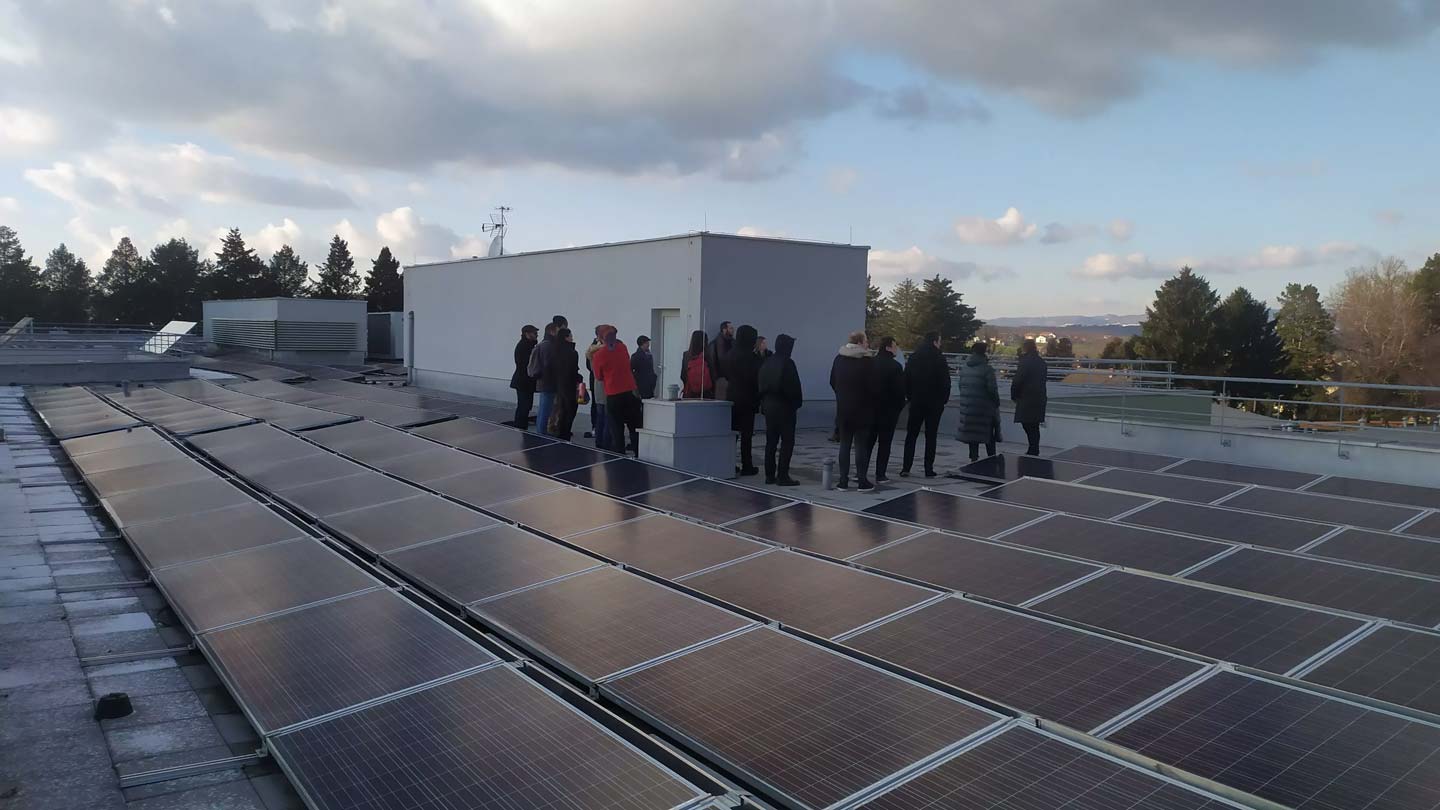
In cooperation with municipal authorities, citizens, and other local partners such as small and medium-sized enterprises and non-governmental organisations, the project establishes citizen energy communities (CEC) in Croatia and Serbia. The project analyses legislation in partner countries and provides recommendations and funding options for local authorities and citizens as well as implementation guidelines to improve their knowledge in the establishment of such CECs. Within two municipalities – one in Serbia and one in Croatia – and with the help of best practices from Pfaffenhofen an der Ilm as an exemplary town, the project contributes to forming energy communities as demonstrational examples and to conducting a subsequent study.
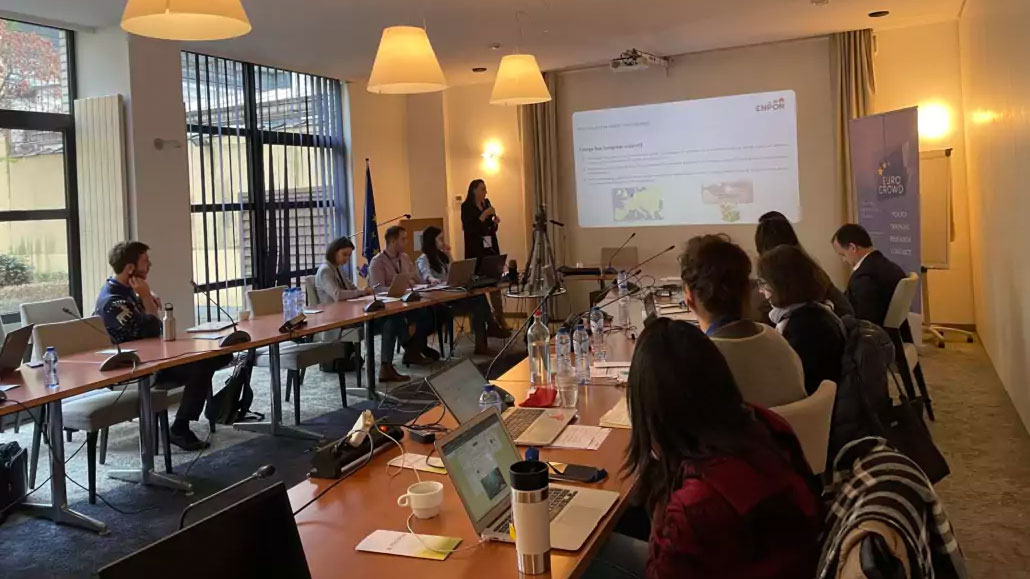
Within the two newly established CECs, citizens will apply their acquainted knowledge, and become prosumers as well as active participants in the energy market ensuring the sustainability and sufficiency of local communities. Finally, the project results’ dissemination gives other local authorities the opportunity to learn from these examples and use the developed guidelines to establish energy communities in other municipalities in Croatia, Serbia, and further European countries.
Last update: July 2024