
Skip to content

Reducing Emissions in Carpathian Mountain Huts

The project is completed. As part of the initiative, optimal technical solutions for climate-friendly huts in the Romanian Carpathians were developed, an appropriate legal framework was established, and a “Hut Alliance” was formed.

Buildings Energy Efficiency Energy Transition and Climate-Neutral Buildings
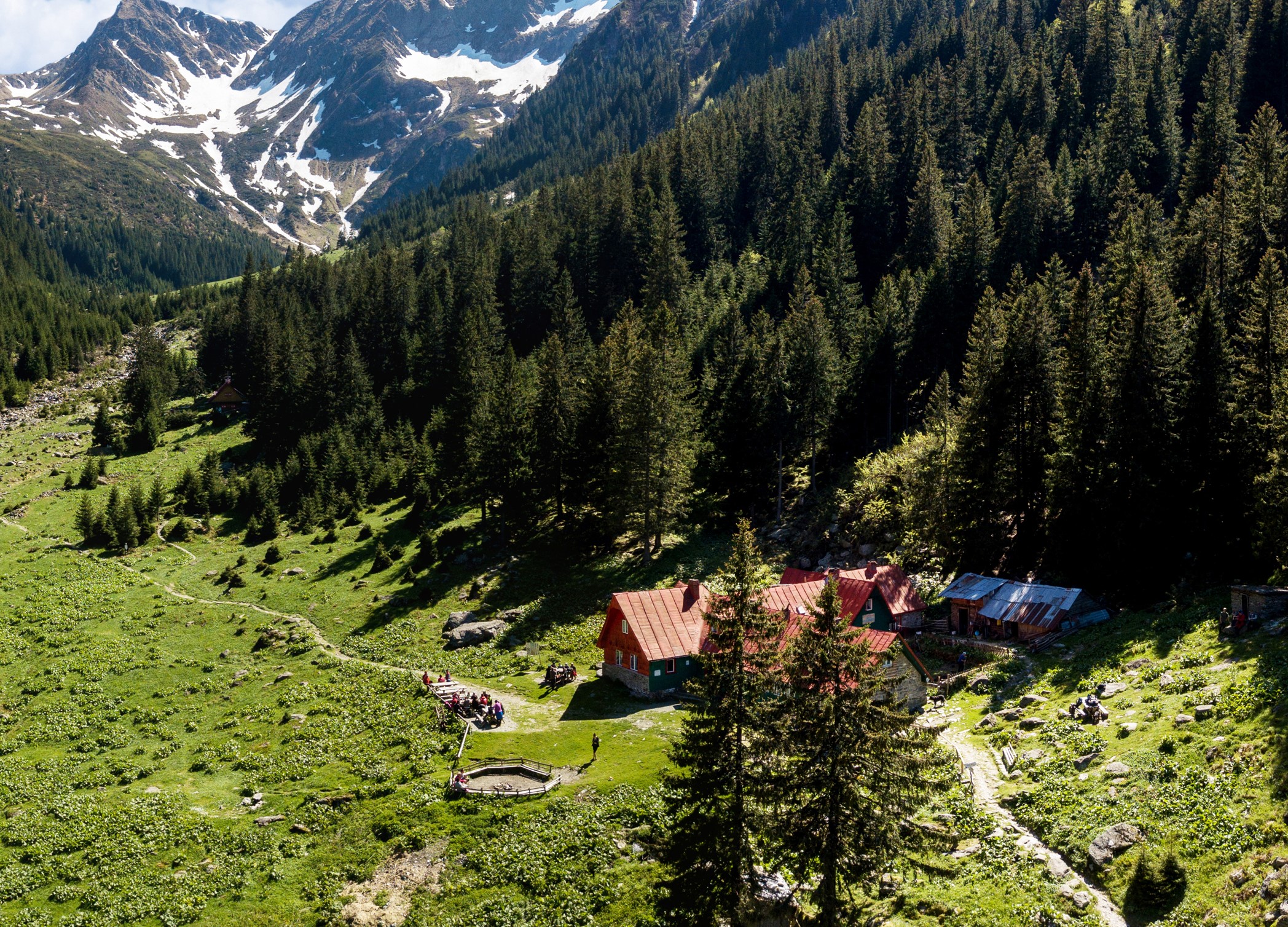
Mountain hut with red roof in a green valley, surrounded by pine trees and snow-capped mountains in the background.

Project info

Countries:

Romania

Project duration:

12/22 - 03/25

Target groups:

National governments, Local governments, Associations, Private sector, Public sector, Regional governments

Funding:

139,993.73 €

Contact info

Contact:

Marcel Șofariu

Implementing organisation
  • Transylvanian Carapathian Tourists Association (SKV)
Partner:
  • Carpathian Section of the German Alpine Club

Background

The Framework Convention on the Protection and Sustainable Development of the Carpathians supports high-quality standards for the development of sustainable tourism in the Carpathians. The convention provides for a fairer distribution of tourist traffic by dispersing and redirecting part of the traffic outside the current main destinations and sensitive locations towards areas that have potential but are less developed. More evenly distributed tourist traffic can be fostered by making the hiking conditions on the Carpathian Mountains more attractive. Currently, hiking tourists do not have a coherent chain of welcoming huts. The old huts are lapsed or have disappeared and, hence, pose the risk of being replaced by luxury hotels and guesthouses with an easy, car or mechanical access resulting in the region’s definitive anthropisation. Providing a package of technical solutions and legislative proposals for the creation of climate-friendly public huts is crucial in addressing these issues. Creating premises for aligning hiking conditions in Romania to the highest standards generates a minimum impact on the environment and lowers possible greenhouse gas emissions.
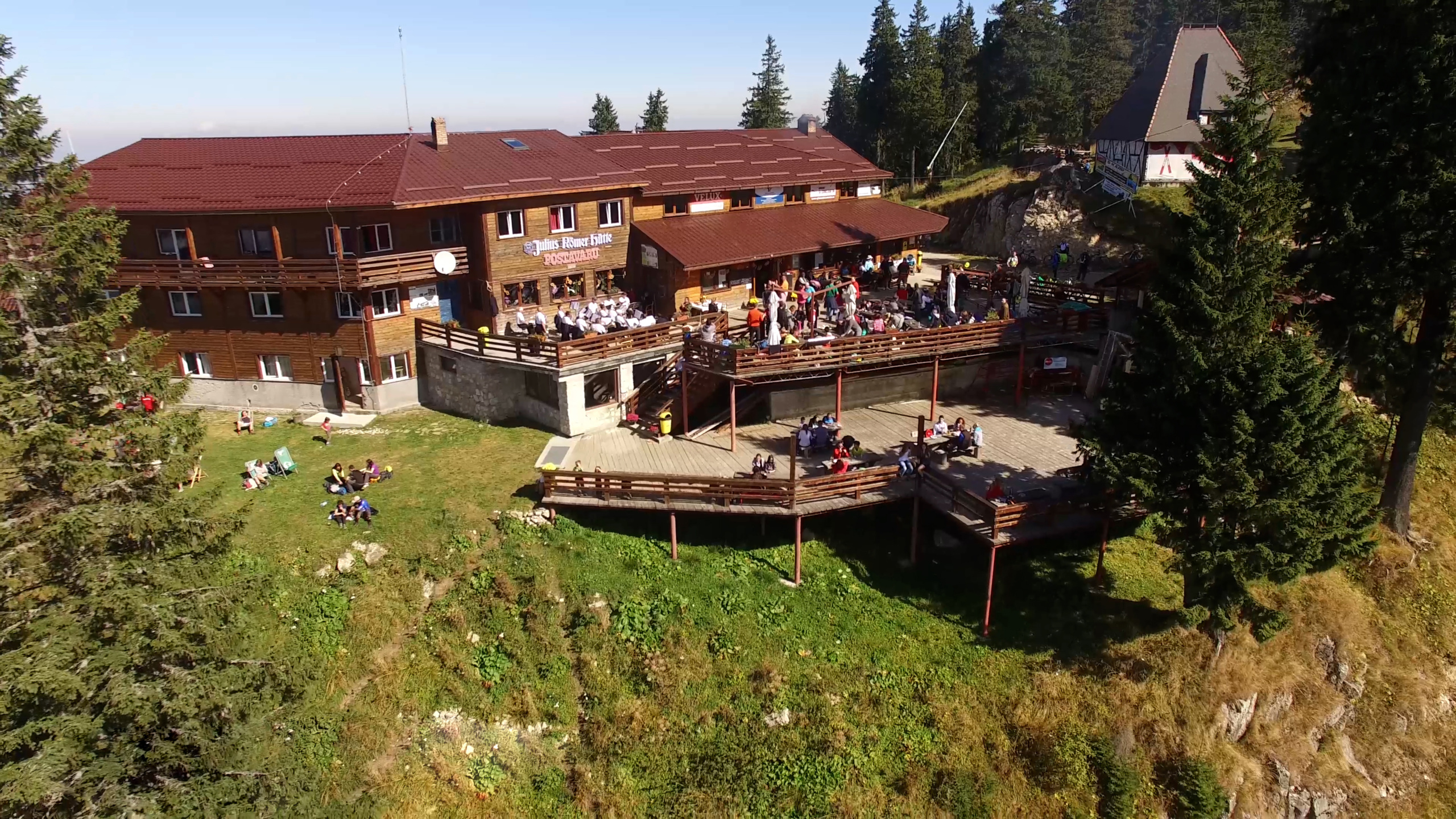
Carpathian Mountain Hut renovated, Photo: ©Radu Pescaru

Project

To ensure the creation of climate-friendly huts in the Romanian Carpathians, the project assessed the current situation of the country’s huts. In parallel, it documented the solutions used for the climate-friendly renovation and equipment of existing huts in different high areas of Europe. Building on preceding projects’ experience, the project gathered and promoted the most suitable technical solutions in the form of three hut models. In cooperation with the German Alpine Association’s Carpathian Section, the project brought together the most important mountain associations in Romania in an “alliance for huts” to support its objectives. Through close collaboration with local, regional, and national authorities the project aspired to find new hut locations and develop specific regulations and legislative proposals. Furthermore, it sensitised the public towards sustainable tourism and its benefits.

Results

  • Baseline established: Study on Romanian mountain huts. The project team conducted a systematic survey of mountain huts in the Romanian Carpathians, a first of its kind. The baseline study recorded location, infrastructure, usage levels, and structural conditions of huts in high-altitude areas. This has resulted in a fact-based planning foundation that enables local stakeholders to implement targeted measures for climate-friendly renovation and development. The study clearly identifies where emissions occur and where climate-relevant potential exists – a key step towards effective GHG reduction in the Carpathian region. 
  • Guideline published: Low-emission hut construction adaptable across Europe. The guideline “Reducing Emissions in Carpathian Mountain Huts” presents concrete recommendations for the construction and operation of sustainable mountain huts. During and after its development, the guideline was presented at several international expert conferences, including the annual meetings of the EUMA – European Mountaineering Association (held in Paklenica National Park, Croatia) and the ERA – European Ramblers Association (Spain). The feedback was consistently positive, confirming both the professional relevance and practical applicability of the content in the broader European context. The guideline is based on the experience of 21 mountain huts across Europe and has been practically adapted to Romanian conditions. It provides actionable knowledge on energy-autonomous systems, resource-efficient materials, and low-emission operational methods. The project thus strengthens the practical capabilities of local stakeholders and enables direct GHG reductions – particularly through measures such as thermal renovation, solar energy, and water-saving technologies. 
  • Political momentum created: Draft law on the regulation of mountain huts. Key project findings were incorporated into a draft law that, for the first time, defines and classifies mountain huts in Romania while also addressing operational, funding, and partnership frameworks. The draft has been formally acknowledged by the responsible ministry, representing an important step toward institutional anchoring. It lays the groundwork for the long-term establishment of clear standards and funding structures for climate-friendly huts – ensuring lasting impact beyond the project’s duration. 

Last update: January 2026

More about this project

Blog posts

news
28 August 2025

How to Build Low-Emission Hiking Huts 

Publications

publications
30 July 2025

Guideline for the Mountain Huts in the Romanian Carpathians