
Renewable Power-to-Heat Hajnówka
This project is completed. Conducting a feasibility study to remove barriers to the introduction of a renewable power-to-heat system in the Polish district of Hajnówka.
Energy Transition and Climate-Neutral Buildings Renewable Energy
Project info
Germany, Poland
08/21 - 06/23
Local governments, Consumers, National governments, General public, Public sector
286,100.46 €
Contact info
Harald Uphoff
- County administration of Hajnówka
Background
While the energy supply sector continues to contribute an enormous share of greenhouse gas emissions, recent years have shown significant progress in decarbonisation efforts. However, this observation calls for a differentiation between sub-sectors: while progress is notable regarding electricity generation, this does not apply to the heating sector. Studies estimate that the heating of buildings and water account for one third of the EU’s emissions, calling for an effective decarbonation of the heating sector. This is true for Poland in particular, which is currently the country with the largest usage of coal in the heating sector.
Project
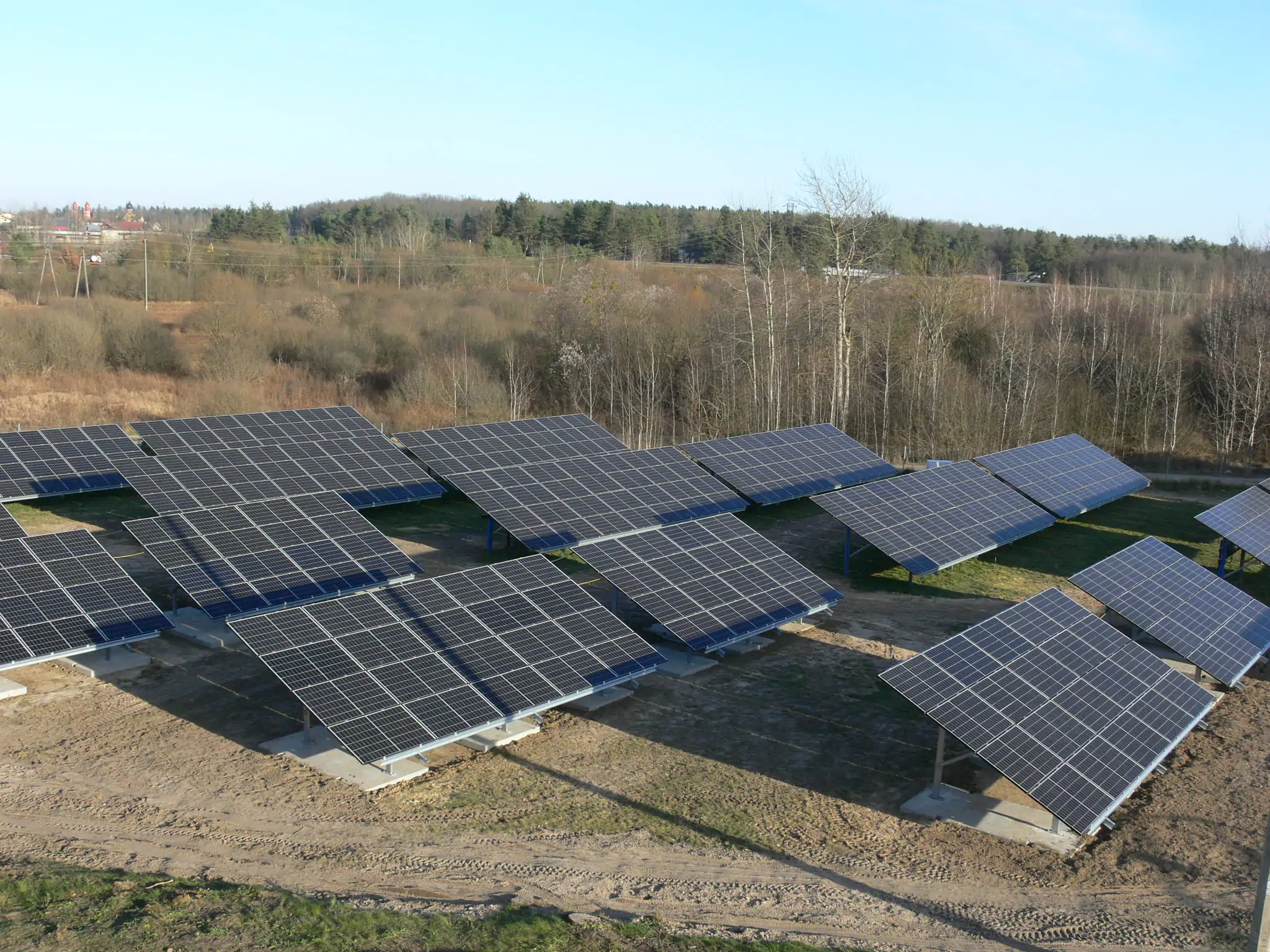
The project team developed a solution to this problem in the pilot region of Hajnówka in eastern Poland. Efforts focused on the introduction of a renewable power-to-heat system which fed the excess electricity of regional wind and solar power stations into Hajnówka’s district heating system. Thus, renewable energy replaces coal, which is used to power the heating system. This has the double advantage of advancing decarbonization while at the same time progressing energy system integration.
The introduction of a renewable power-to-heat system constituted a technological and economic challenge. As a means of proposing solutions on how to overcome these challenges on the basis of a concrete example, the project team developed a feasibility study. The study identified and addressed concrete barriers which had so far prevented the modernization of the local heating system. These barriers included lack of infrastructure planning capacities, outdated building codes, and lack of skilled labor to install and maintain the systems. By providing solutions to these issues, the study furthermore paved the way for public and private investments, addressing the additional barrier of insufficient financial resources. After the successful completion of the project, the feasibility study could double as a realization plan for fully decarbonized integrated heating systems in other Polish regions. The project also served as a best practice example of how to develop a climate-friendly district heating system. Other regions could replicate this example and thus contribute significantly to the decarbonization of the Polish heating sector.
Results
The feasibility study’ Renewable Power-to-Heat in Hajnówka’ (Renewable Power-to-Heat in Hajnówka – summary – EUKI) shows that converting the coal-based district heating system of the Polish city of Hajnówka to large heat pumps powered by electricity from renewable energy sources is technically possible, economically viable in the long term and ecologically sound. Switching to heat pumps would reduce CO2 emissions by 54 per cent with the current electricity mix (as of June 2023), which would reduce GHG emissions by 22 to 24 tonnes per year. The investment costs are around 25 million euros (including wind and photovoltaic systems).
The project’s positive results have encouraged local stakeholders to push ahead with renewable heat supply and motivated other municipalities to embark on similar plans. To implement the power-to-heat system, the gradual conversion of the network to heat pumps is being examined, and a company has been commissioned to examine and seek funding.
The lighthouse effect of the project was demonstrated by the fact that it gave rise to the follow-up project Green Heating Power for Bitola in North Macedonia (Renewable Power-to-Heat in the Bitola Region – EUKI).
Last update: July 2024

