SunSharing – Supporting Solar Energy Communities in SEE
Enabling the development of solar photovoltaic-based energy communities and crowdfunding initiatives in South-East Europe.
Energy Transition Energy Transition and Climate-Neutral Buildings Renewable Energy
Project info
Bulgaria, Croatia, Greece, North Macedonia
12/22 - 12/24
Civil society, Local governments, National governments, Public sector, Non-governmental organisations
439,689.04 €
Contact info
Tomislav Pukšec
- Green Synergy Cluster
- International Center for Sustainable Development of Energy Water and Environment Systems - Macedonian Section (SDEWES-Skopje)
- Town of Prelog
- University of Western Macedonia – Special Account for Research Funds
Background
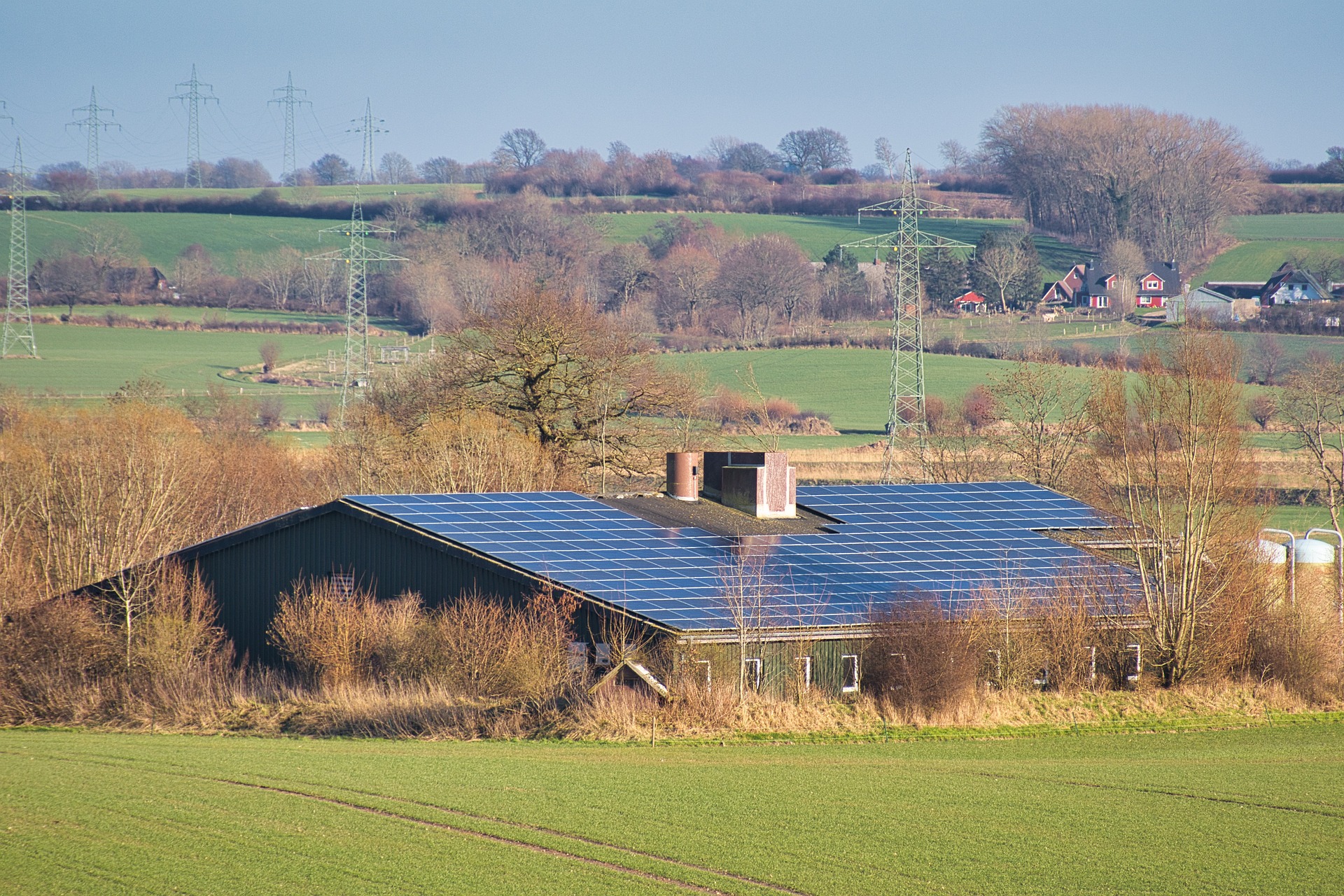
Transitioning towards a climate-neutral Europe and promoting an effective transposition of the European Union’s (EU) Renewable Energy Directive as well as the EU Directive on common rules for the internal market for electricity needs to integrate the role of solar photovoltaic-based energy. This does not only speed up the process of solar photovoltaic (PV) installations – thus also accelerating permit-granting procedures for renewable energy projects and facilitating Power Purchase Agreements – but also supports REPowerEU for the rapid reduction of Russian fossil fuel dependence since it promotes local electricity generation increase of energy sustainability. Although solar PV is a commonly used technology in the residential, public, and industrial sector, its full potential in South-Eastern Europe – namely Croatia, Bulgaria, Greece, and North Macedonia – has not been achieved due to improper legislation on energy communities and crowdfunding as well as partial and incomplete transposition of the EU directives.
Project
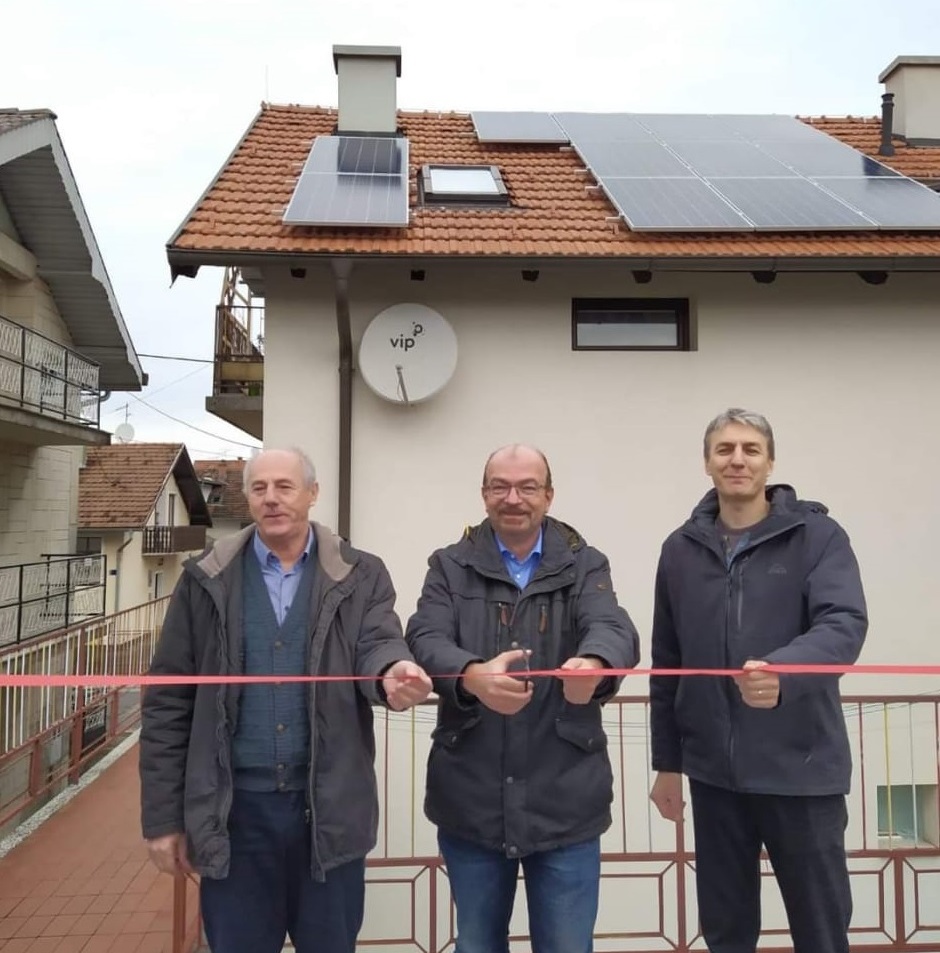
The SunSharing project enables consumers to support the energy transition by forging alliances and crowdfunding community energy projects in the participating countries. The project analyses the current policy situation for implementing energy communities and crowdfunding initiatives, and together with public authorities develops a set of recommendations on how to improve these policies. Furthermore, it maps the best practice examples coming from other EU countries and develops a publicly available database which is presented to local authorities and citizens. Moreover, SunSharing facilitates cross-border knowledge transfer, establishes networks for consumers, academia and policymakers and raises awareness concerning the benefits of investing in renewable energy. In this regard, the project organises events to facilitate knowledge transfer on legislation and best practices and runs campaigns to set the ground for crowdfunding initiatives. To achieve these goals, SunSharing focuses on the respective countries’ citizens as they represent the main driver of energy transition and their impact improves by developing such energy communities and organising crowdfunding initiatives. In the long-term, this contributes significantly to decarbonisation of the power sector reaching renewable energy targets and reducing carbon dioxide emissions in the implementing countries. Consequently, this will also boost the energy security of these countries by reducing dependence on fossil fuels.
Last update: July 2024