Incentives for Energy Savings in Schools: Examples And Reflections
Experience from Germany, Bulgaria and Poland shows that it is possible to reach 2-4 percent energy savings per year by implementing simple behavioural energy efficiency measures in schools. This can add up to 10-15 percent per year depending on the local context. How can these projects be introduced? What other benefits do they offer beyond energy savings? What key institutions and persons are needed to establish long-lasting structures?
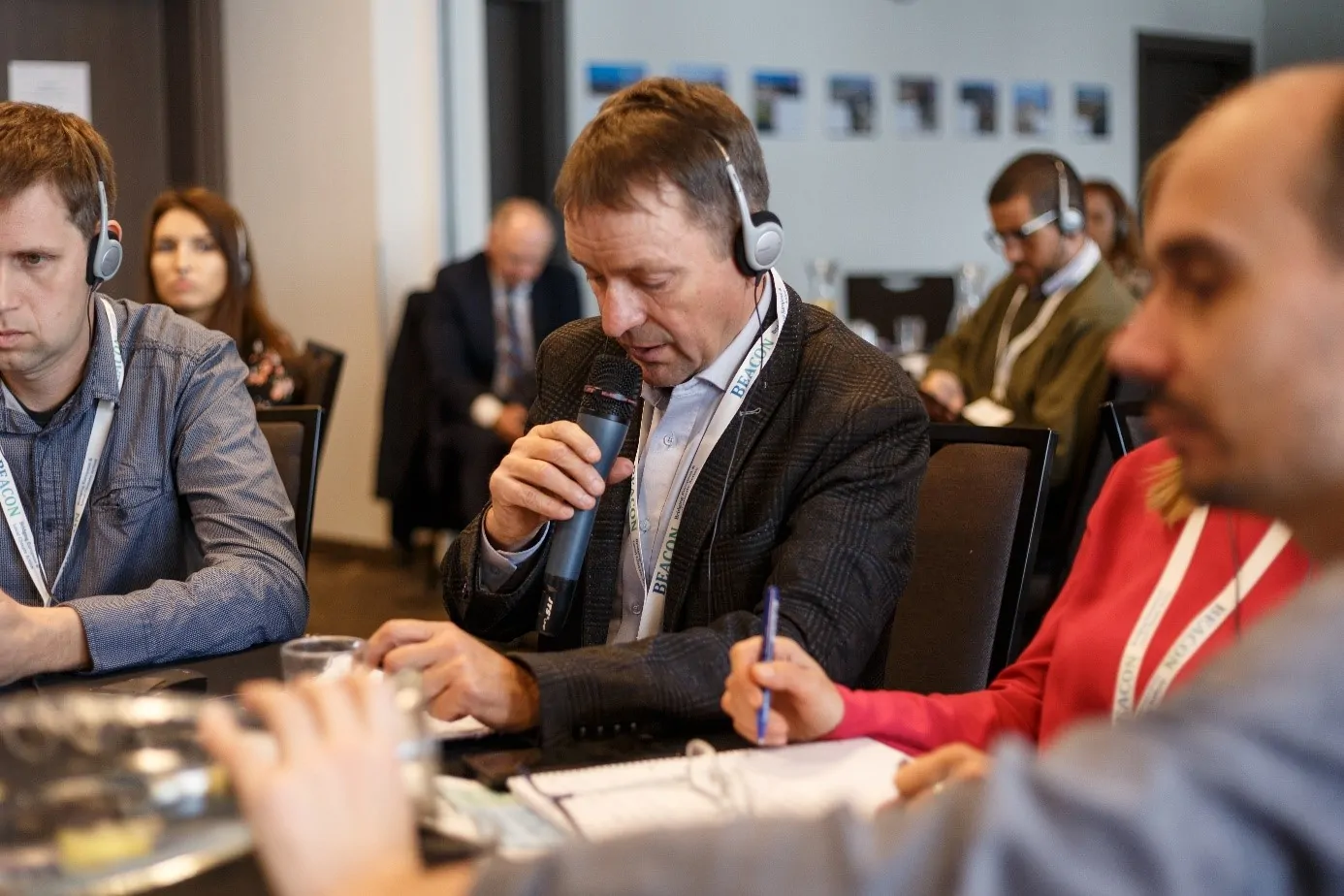
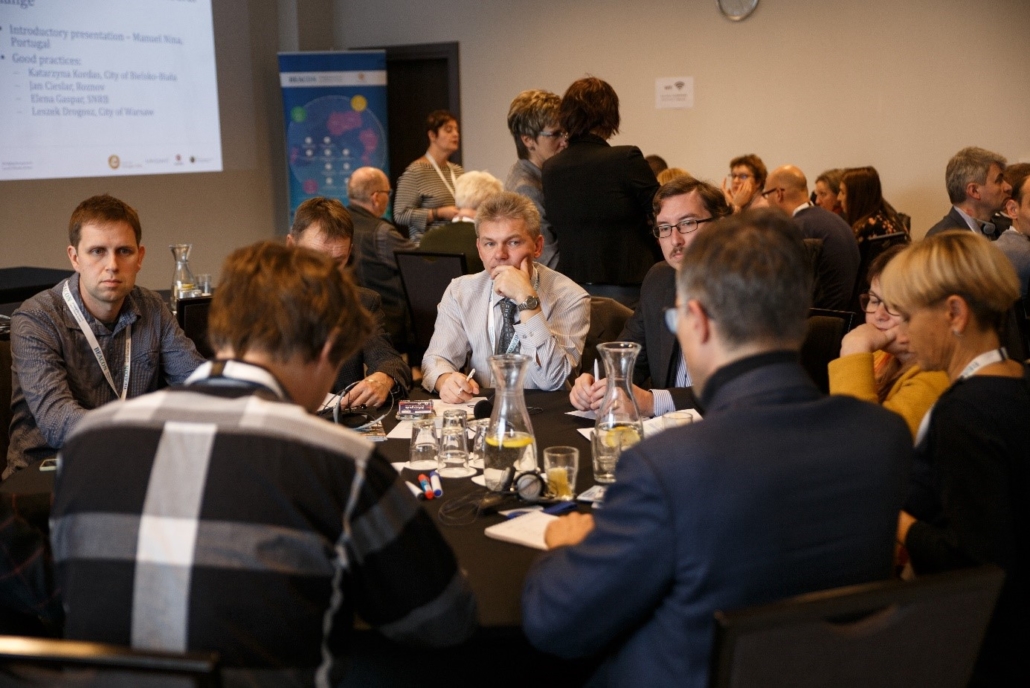
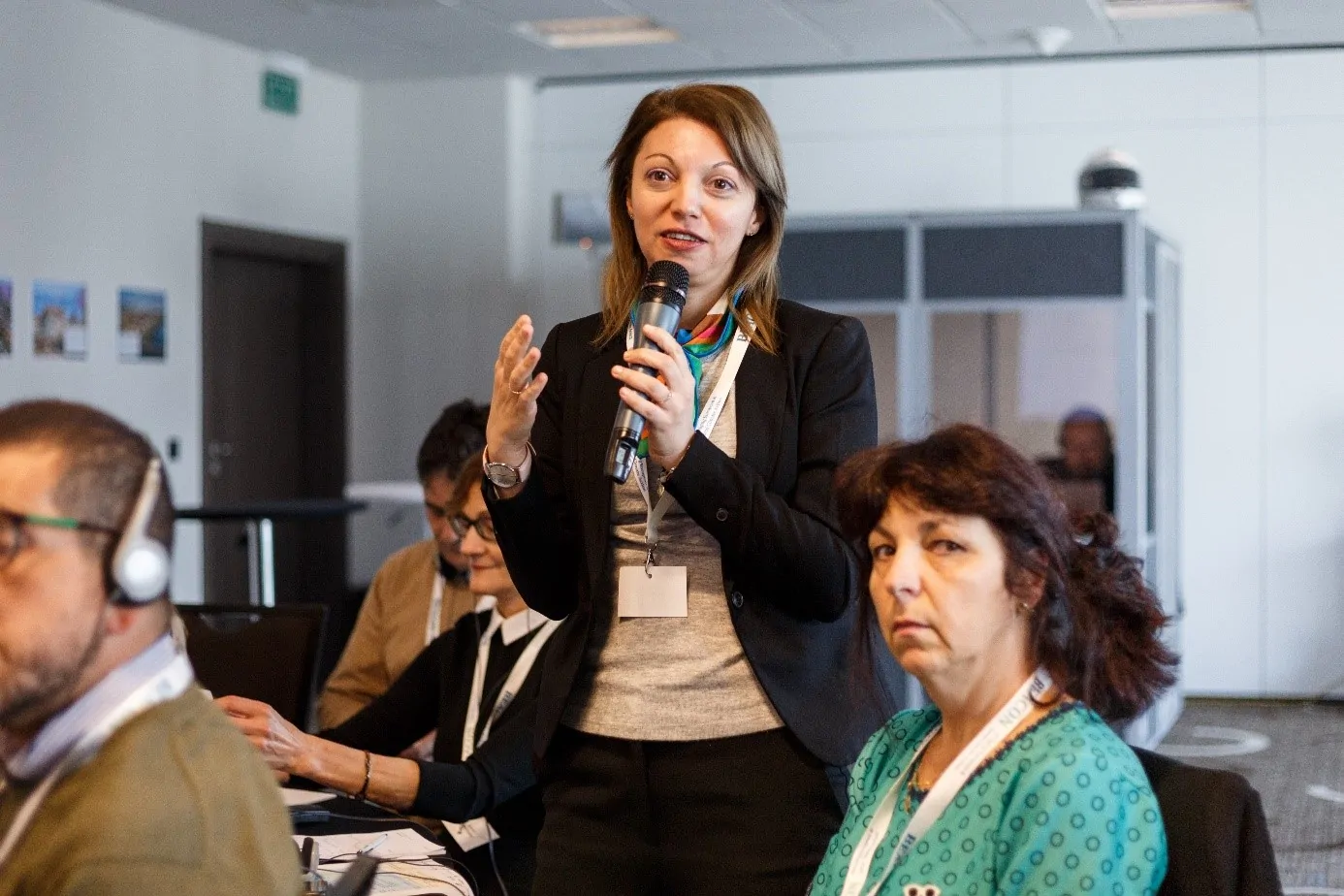
About 30 municipal representatives from Poland, Romania, Czech Republic, Bulgaria and Germany met on 19-20 November 2019 in Krakow, Poland to discuss these questions, exchange experience and identify steps to develop energy incentive programs in their country-specific context. Experts from the Institute for Independent Environmental Issues (UfU, Germany), the National Trust Ecofund Bulgaria (NTEF) and the Association Sistemul National de Reciclare a Bateriilor (SNRB, Romania) fed their long-standing experience into the discussion.
If you would like to access specific presentations, contact adelphi at: beacon@adelphi.de.