Skip to content

CirCon4Climate – Circular Construction for Climate Action

Contributing to minimising natural resource consumption and climate change mitigation through strengthening circular construction practices in Czechia, Poland, and Slovenia.

Buildings Circular Economy Energy Transition and Climate-Neutral Buildings
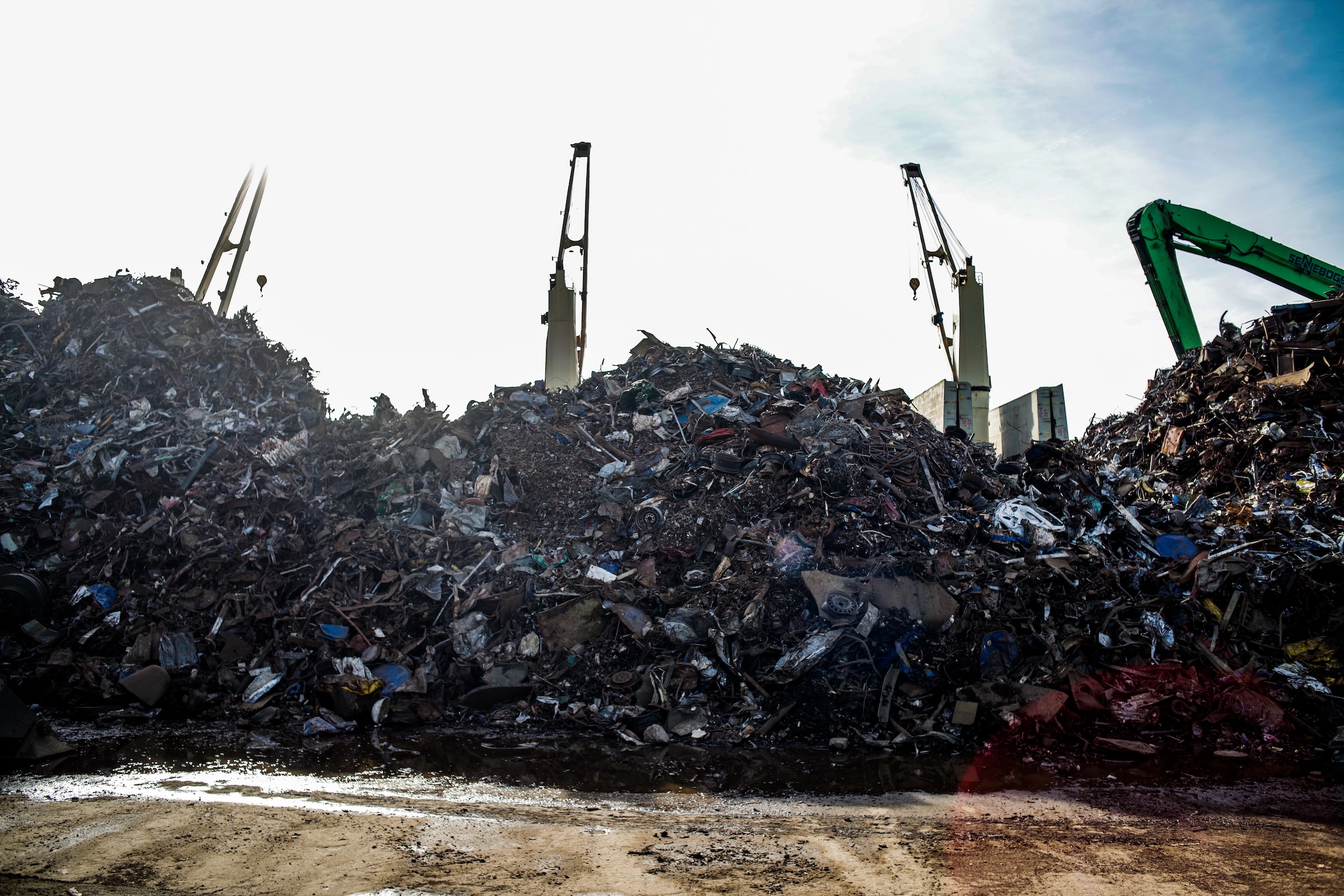
A large pile of trash, Photo: ©hans-ripa | Unsplash

Project info

Countries:

Czech Republic, Germany, Poland, Slovenia

Project duration:

12/22 - 03/25

Target groups:

Public sector, Private sector, National governments, Regional governments

Funding:

853,871.72 €

Contact info

Contact:

Barbora Vlasata

Implementing organisation
  • Czech Technical University
Partner:
  • Institute of Innovation and Responsible Development (innowo)
  • ITB
  • Leibniz Institute of Ecological Urban and Regional Development (IOER)
  • Slovenian National Building and Civil Engineering Institute (ZAG)

Background

In Czechia, Poland, and Slovenia, most of the construction industry’s waste is landfilled instead of recycled. However, within construction up to 70 per cent of demolition waste can be used anew. Therefore, the European Commission’s Waste Framework Directive aims to ensure that this waste is managed in an environmentally reasonable manner. This does not only lessen the unnecessary consumption of natural resources and reduces the production of greenhouse gases but also drives forward the construction sector’s transformation towards a climate and resource-friendly circular economy model, which aims to minimise waste and emissions by reducing the need for new materials and manufacturing processes through tighter material cycles in construction.
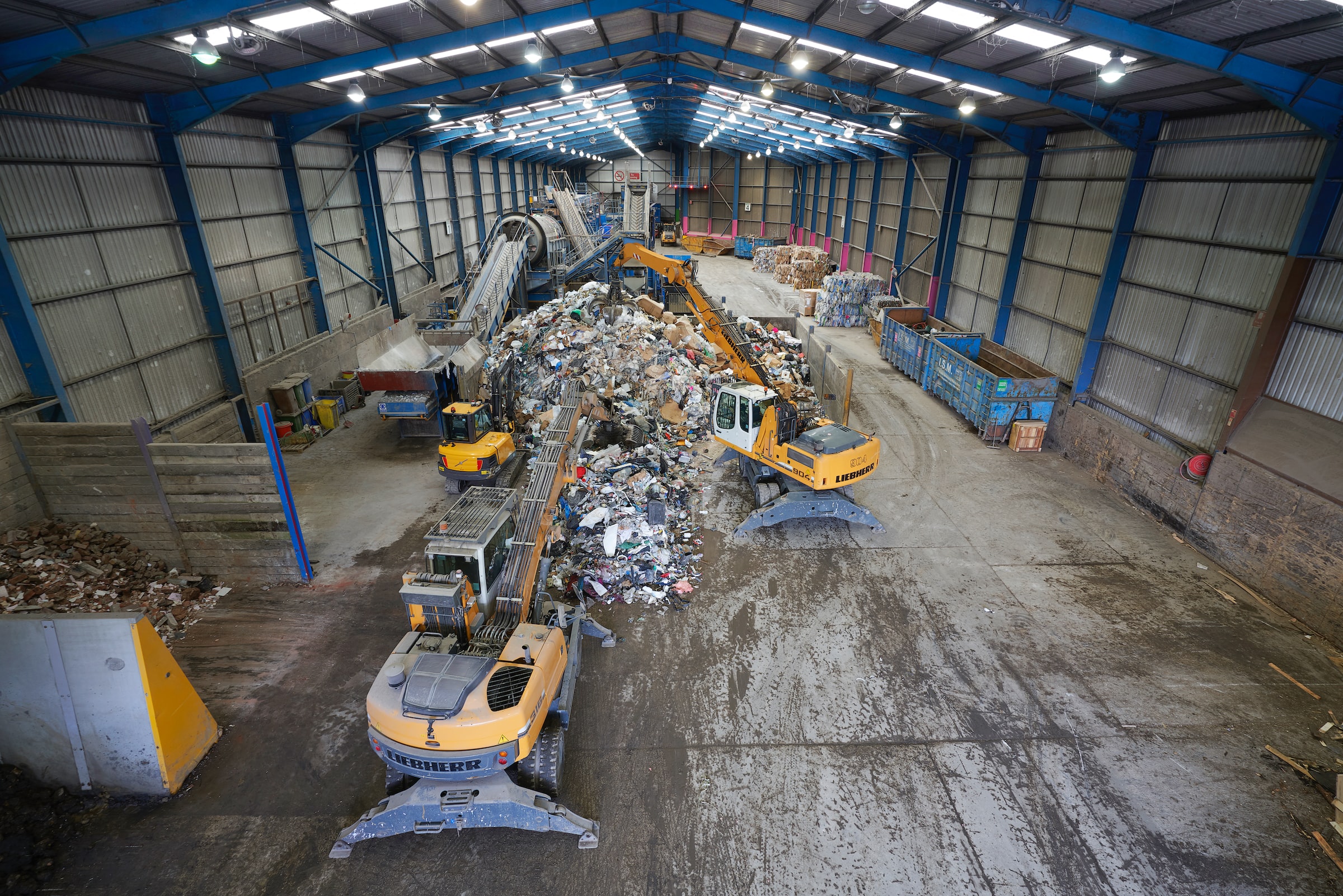
Waste segregation in preparation for recycling in Greater Manchester, UK, Photo: ©ismwaste | Unsplash


Project

The project strengthens circular construction in Czechia, Poland, and Slovenia with the help of best practices from Germany. To achieve this objective, the project increases awareness regarding the circular construction process among regional governments and municipalities as well as key players within the industry: policymakers, architects, contractors, investors, and urban planning authorities. In practice, the project team advises investors on how to increase circular building principles in public procurement. Moreover, it provides architects and urban planning authorities with good examples as well as support in designing buildings with recycled materials. Hence, the construction industry is encouraged to use secondary materials – recycled materials that can be used in manufacturing processes – and to increase the volume of the collection of materials for reuse and recycling. The project uses best practices from Germany as guidance within this process. All in all, this contributes to mitigating climate change as well as securing supply within the construction sector.

Results

  • Comprehensive knowledge base established: The guidelines on circular procurement, circular building design, selection of low-carbon and recycled materials, and the creation of regional material inventories were fully developed, published in four languages, and conveyed in workshops, seminars, and the Recycling Academy to over 250 professionals. They promote the application of circular principles in planning, construction practice, and public procurement. 
  • Integration into university teaching and the Recycling Academy: The Czech Technical University (CTU) in Prague has incorporated core project content—including circular procurement, material inventories, and low-carbon material strategies—into its regular curriculum. Building on the Recycling Academy, these topics are now taught within existing courses at the Faculty of Civil Engineering, ensuring the project has a long-term impact on academic training and provides hands-on knowledge of circular construction practices. 
  • Implementation of practice-oriented pilot projects: A comprehensive material cadastre for Prague was developed, including a forecasting model for future material flows up to 2050; the results informed the update of the municipal circularity strategy. 
  • Strong political and institutional impact: The project directly influences national strategies and public institutions: In the Czech Republic, it collaborates with the Ministry of Regional Development and the Ministry of Industry and Trade on strategies for circular public procurement and the standardization of pre-demolition audits. In Poland and Slovenia, public institutions are supported in developing circular procurement and assessment tools, fostering the implementation of circular principles at political and institutional levels. 
  • Broad dissemination and international networking: The project systematically disseminated knowledge and strengthened international networks. Over 15 workshops in the Czech Republic, Poland, and Slovenia on circular procurement, circular design, material inventories, and low-carbon materials enabled direct exchanges with professionals and stakeholders. Several journal articles were published, including in the ESG Journal (Slovenia), Materiały Budowlane (Poland), tzbinfo.cz (Czech Republic), and MDPI Buildings Journal, documenting project methods, best practices, and results. The highlight was the Building Circularity Conference in Warsaw (February 2025) with 250 participants from six countries, promoting international knowledge transfer, network building, and sustainable utilization of project outcomes.

Last update: February 2026

More about this project

Blog posts

news
25 July 2023

EUKI Interview: Sustainability and the Construction Industry in Czechia, Poland, and Slovenia

Publications

publications
20 March 2024

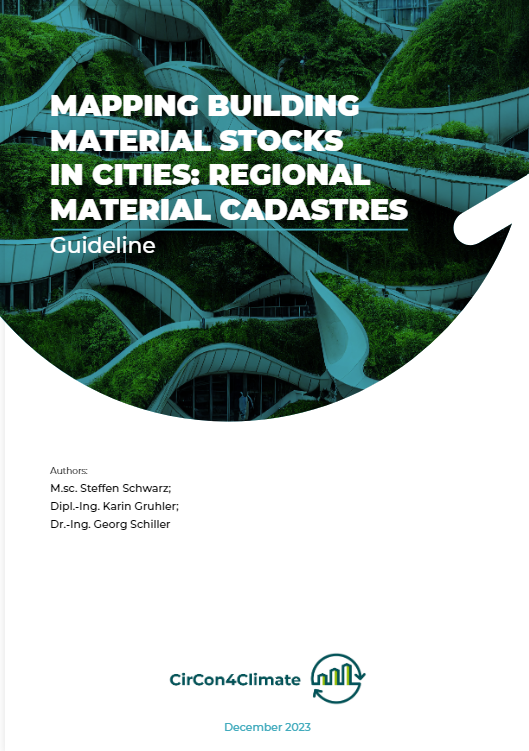
Mapping Building Material Stocks in Cities: Regional Material Cadastres

publications
19 March 2024

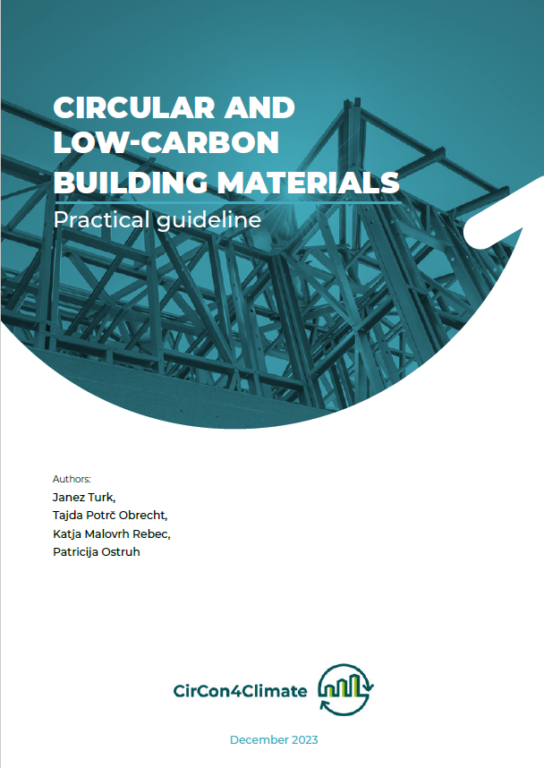
Selection of Circular and Low-Carbon Building Materials

publications
19 March 2024

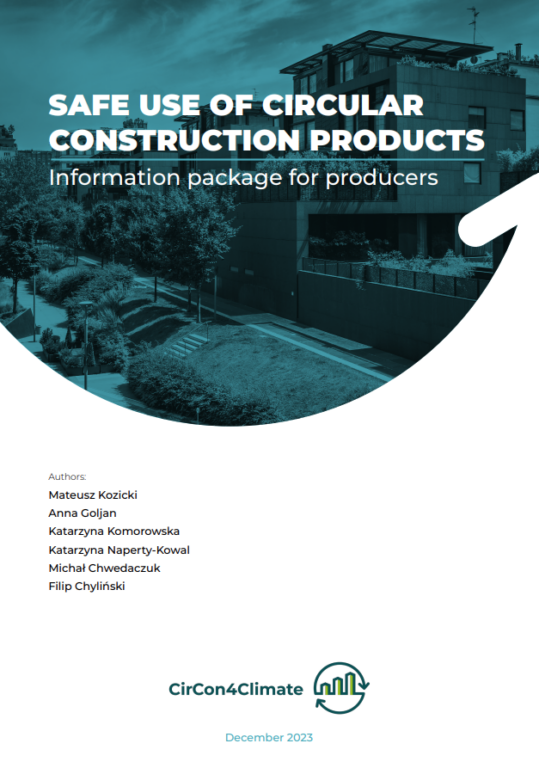
Safe Use of Circular Construction Products

publications
06 March 2024

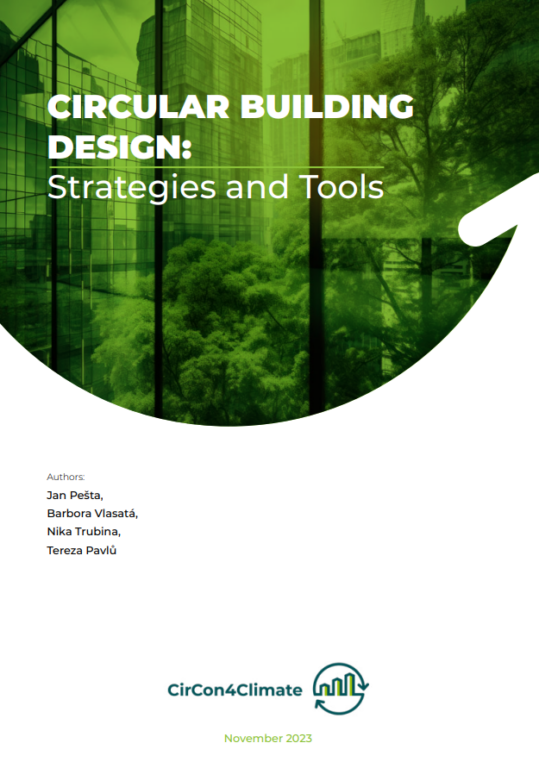
Circular Building Design Guideline

publications
06 March 2024

Circular Construction Procurement Guideline

publications
05 March 2024

Strengthening Circular Construction Practices for Climate Change Mitigation