Delivering the EU-2030 and Long Term Climate Objectives in Central, Eastern and Southern Europe, with a Specific Focus on Transport
This project is completed. The aim of the project was to enhance the role of NGOs and civil society in the national and regional decision-making process in the context of the implementation of the EU Effort Sharing Regulation.
Project info
Hungary, Italy, Poland, Romania, Spain
12/17 - 05/19
-
309,526.00 €
Contact info
-
-
- Association 2Celsius
- Carbon Market Watch
- Clean Air Action Group (CAAG)
- Deutsche Umwelthilfe (DUH) e.V.
- The Civil Affairs Institute
Background
Transport emissions are an increasing problem for the EU, and its emissions are projected not to decrease in the coming years if no action is taken. For measures to be adopted, the EU member states need to have strong and strict climate policy and regulation. These policies are thought to be a motivation for and leading to the implementation of existing measures to decarbonise the transport sector, such as improvement in efficiency standards for cars, cleaner energy for transport (such as renewable electricity), promotion of public transport, etc. The EU Effort Sharing Regulation is an essential starting point for these measures to kick off. This regulation has been finalised in the EU context, and member states have to implement. Transport & Environment has more than 25 years expertise on transport decarbonisation policies. While working in different specific topics (aviation, energy for transport, cars, etc.), T&E, together with its members, also focuses on European climate policy to make it strong, meaningful and fit-for-purpose, in order to achieve EU’s own climate goals as well as those acquired through the UNFCCC’s Paris Agreement.

Project
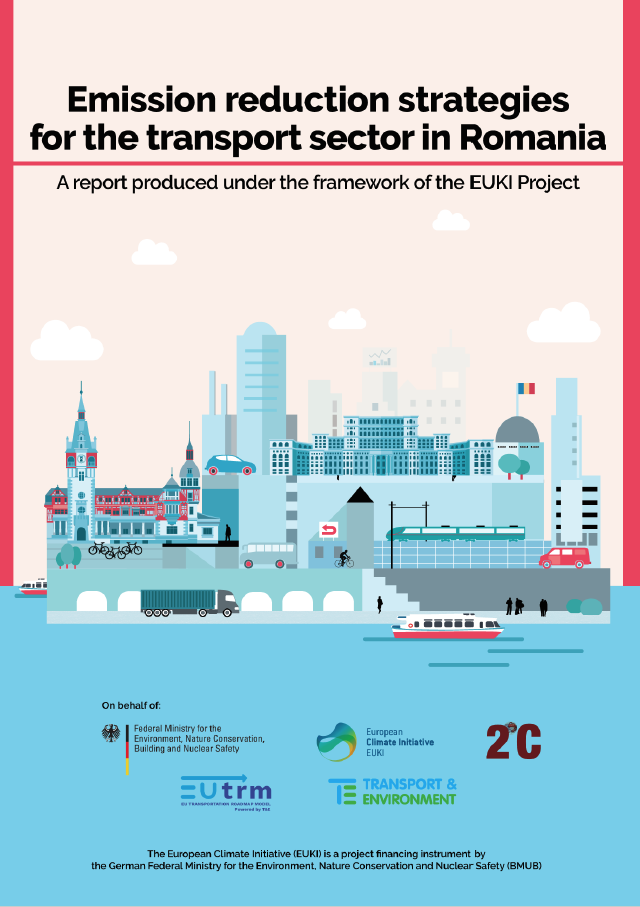
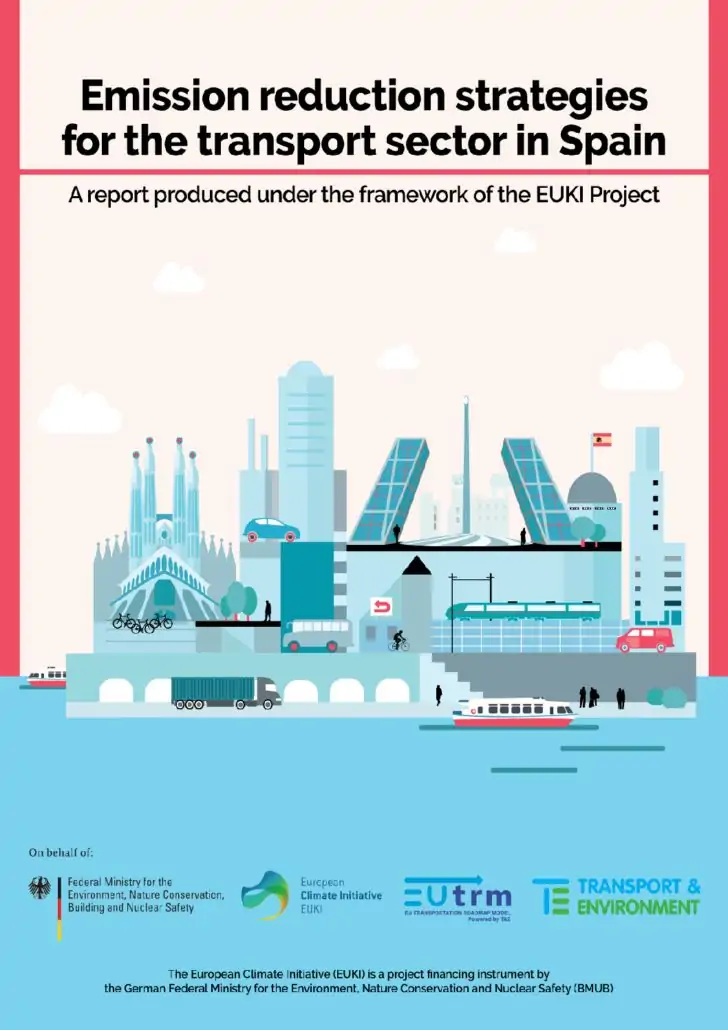
The role of NGOs and civil society in the national and regional decision-making process was enhanced by encouraging intra-EU dialogue among the target countries and others, promoting the exchange of best practices and identification of opportunities. The project coordinators and the project implementing partners have created an EU platform that stimulated intra-EU dialogue, shared best practices and informed national debates with a view to delivering the EU’s 2030 climate targets defined by the Effort Sharing Regulation. The platform’s focus is to reduce road transport emissions and demonstrating how reduced fuel use helps create socio-economic opportunities. NGO-capacity were built in five Central, Eastern and Southern (CES) countries: Spain, Italy, Poland, Romania, and Hungary. By conducting research and providing accurate information on emission reduction potential, economic opportunities and innovation, the partnership aimed at having a positive impact in the national climate and energy legislation that will fulfill the EU’s climate and energy objectives.
Results
- A total of 600 participants took part in the events and knowledge exchange of the project.
- 14 substantial media contributions were produced and a LIFE Grant was won from the EU Commission. By expanding the work within the framework of a LIFE project, the effects of the project will continue to be used and effects will be enhanced.
- Learning experiences (highlights/lowlights) from the project: The topic of transport is interesting and relevant in the current political context, but the interest and commitment varies in the different countries.
Last update: July 2024